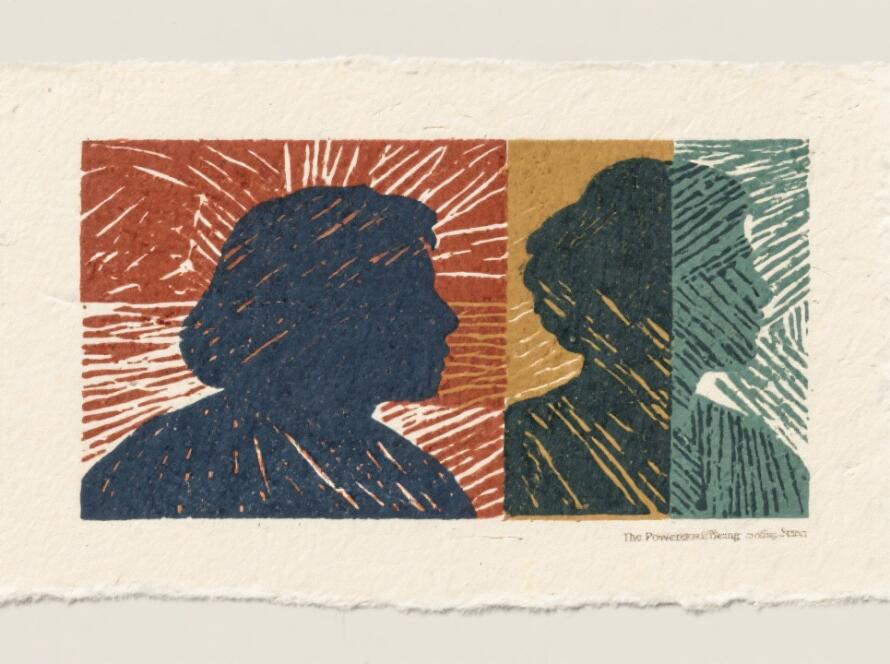
Mother’s Day. The air thrums with a certain energy – social media overflows with sentimental cards and heartwarming stories of gratitude and love. It’s a day dedicated to celebrating the unwavering love and support of mothers, the bedrock of so many families. Yet, in the middle of the celebratory buzz, a quieter narrative unfolds. For children of mothers with mental illness, this day can be a poignant reminder of a love that feels distant, a relationship shadowed by confusion and a complex web of emotions.
Grieving the Ideal Maa
It’s a grief unlike any other. We grieve the loss of the “maa” archetype, that omnipresent ideal enshrined in societal expectations and picture-perfect storybooks. This archetype is a constant source of love, a haven of security, and someone who will always be there for you, no matter what. It’s the mom who kisses away boo-boos, celebrates your big and small wins, and dispenses wisdom with a gentle touch.
A Mix of Confusion, Guilt, and Anger
For children of mothers with mental illness, this idealised figure feels frustratingly distant. In the first years of life, a child relies on their primary caregiver to form a secure attachment. This secure attachment is built upon consistent responsiveness to the child’s needs, fostering a sense of safety and trust in the world. When a mother’s mental illness makes her responsiveness unpredictable, it creates a shaky internal representation of the world and the self for the child. They don’t know what to expect, whether their cries for comfort will be met or ignored.
This inconsistency can impact the child’s emotional regulation, ability to trust others, and future relationships. As the child grows older, these experiences can curdle into a potent mix of guilt, anger, and frustration directed towards the mother. A core conflict arises from the very dependence a young child has on their primary caregiver. This inherent neediness can easily move to a suffocating sense of guilt. The child, yearning for stability and normalcy, might believe their own demands and anxieties cause or add on to their mother’s illness. This misplaced guilt can become a heavy burden, further isolating them from seeking support.
On the other hand, a gnawing sense of injustice may bubble. It is filled with a longing for the nurturing presence society tells you is your birthright. Society paints a picture of unwavering filial devotion, making the very thought of feeling resentment towards one’s mother a taboo.
Forgiveness and Boundaries
In societies where mental illness carries stigma, the child of a mother struggling with it may grow up without a clear understanding of the root cause of their fractured relationship. However, if an awareness of the illness is present, it can begin a complex and often contradictory journey of healing. We want to empathize with our mothers, to understand their struggles. But the pain they inflict, intentional or not, leaves its mark. This newfound knowledge doesn’t erase the pain. It’s a constant tug-of-war between compassion and self-preservation, a longing for the security of the “maa” archetype juxtaposed against the reality of a love that feels shadowed and uncertain.
But acknowledging the illness also opens the door to seeing their mother as a separate person. They grapple with the idea that the parent who was supposed to be their safe harbor was battling their own unseen storm. This separation becomes the foundation for establishing boundaries – a crucial step in self-preservation. How much of the emotional fallout from their mother’s illness are they responsible for carrying? This becomes a central question, a tightrope walk between compassion and self-care.
The journey of forgiveness further complicates this process. Society often equates forgiveness with forgetting or condoning the hurt. But in this context, forgiveness can be a personal act of liberation. It’s about letting go of the resentment that festers within, choosing to move forward without being shackled by the past. It doesn’t erase the impact of the actions, but it allows the child to reclaim their own narrative.
It’s important to remember that cultural norms also play a significant role in how boundaries are established. In collectivistic cultures, the emphasis may be on preserving the family unit, potentially leading to a reluctance to set firm boundaries with a parent, even a mentally ill one. Individualistic cultures, on the other hand, might encourage a clearer separation, prioritizing the child’s well-being.
The Path to Healing
Ultimately, the journey of healing for a child of a mentally ill mother is a deeply personal one. It’s a process of validating their pain, separating from the internalized voice of their mother’s illness, navigating the complexities of forgiveness, and establishing healthy boundaries within the context of their cultural background. It’s a long and arduous path, but one that can lead to a more compassionate understanding of themselves, their mother, and the unique dynamic they share.
“Healing begins when we allow ourselves to see our mothers as human — flawed, fragile, and fighting battles we may never fully know.”